
WHAT IT IS
Two Days. Fifty Cars. One Frozen Lake.
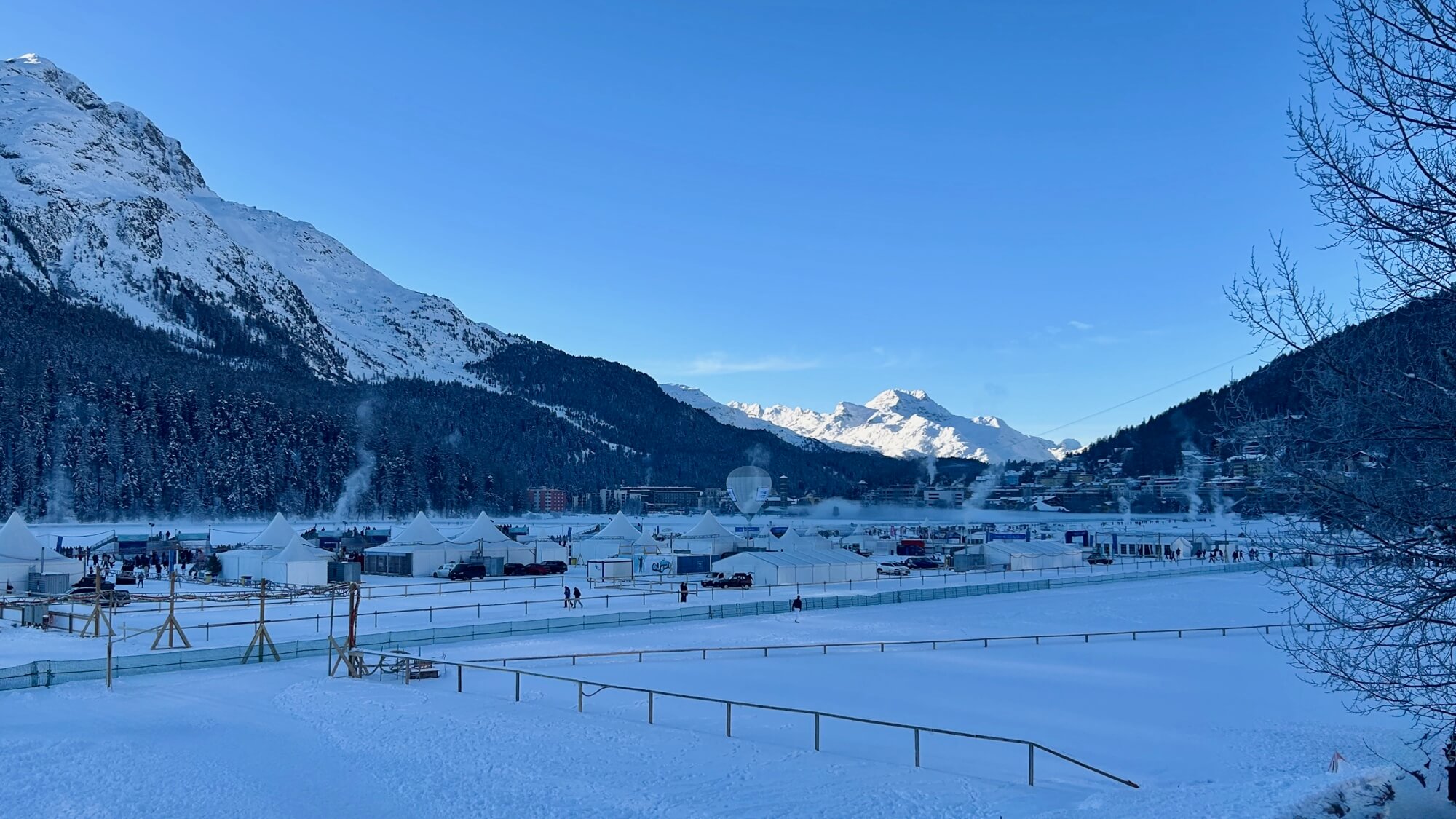
The I.C.E. runs across two days: Friday is static judging, Saturday is when 50 of the world's most significant collector cars actually move on the ice. That distinction matters. This isn't a display. It's a living, driving event where a 1970 Porsche 917 and an Audi Sport Quattro S1 E2 go sideways together throwing rooster tails of powder, and where an F1 car from 1979 tries to find grip on a frozen lake at 1,800 metres.
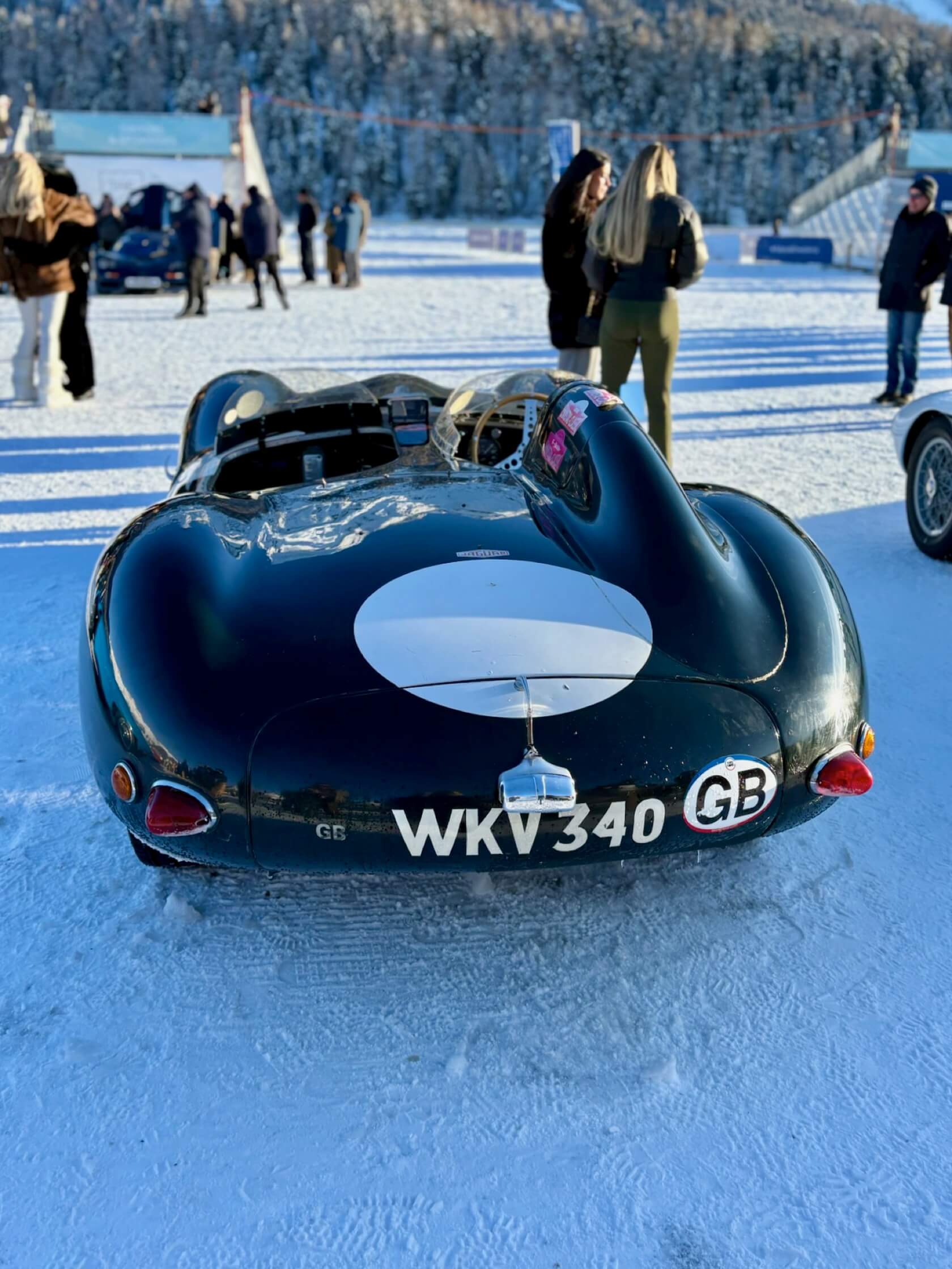
The 2026 edition introduced two new competition classes: Birth of the Hypercar and Legendary Liveries. The liveries class felt immediately right — the colour and graphics of these racing cars against pure white snow is an image that justifies the drive up alone.
Patrouille Suisse: Six F-5E Tiger II jets cut lines through the blue sky directly overhead during Saturday's session. Timed with the cars moving on the ice below, it was one of those moments that needed no filter.
ON THE ICE
The Cars That Actually Move
The Maserati MC12 drew the longest crowd all day, and deservedly so. On the ice, those giant exhaust outlets pointed skyward looked absolutely feral. Running on studded tyres, which somehow made it look even more extreme. It's one of those machines that simply shouldn't exist, and seeing it doing laps of a frozen lake confirms that.
The Pagani presence was exceptional. A Zonda in dark carbon — Horacio Pagani's signature visible on the bodywork — moving on the ice alongside the full indoor display at the showroom off the main street: Huayra Coupe, Huayra Epitome, Utopia, Huayra Asterix. The detail work up close, titanium bolts, exposed carbon weave, hand-stitched orange interior, is another level entirely.
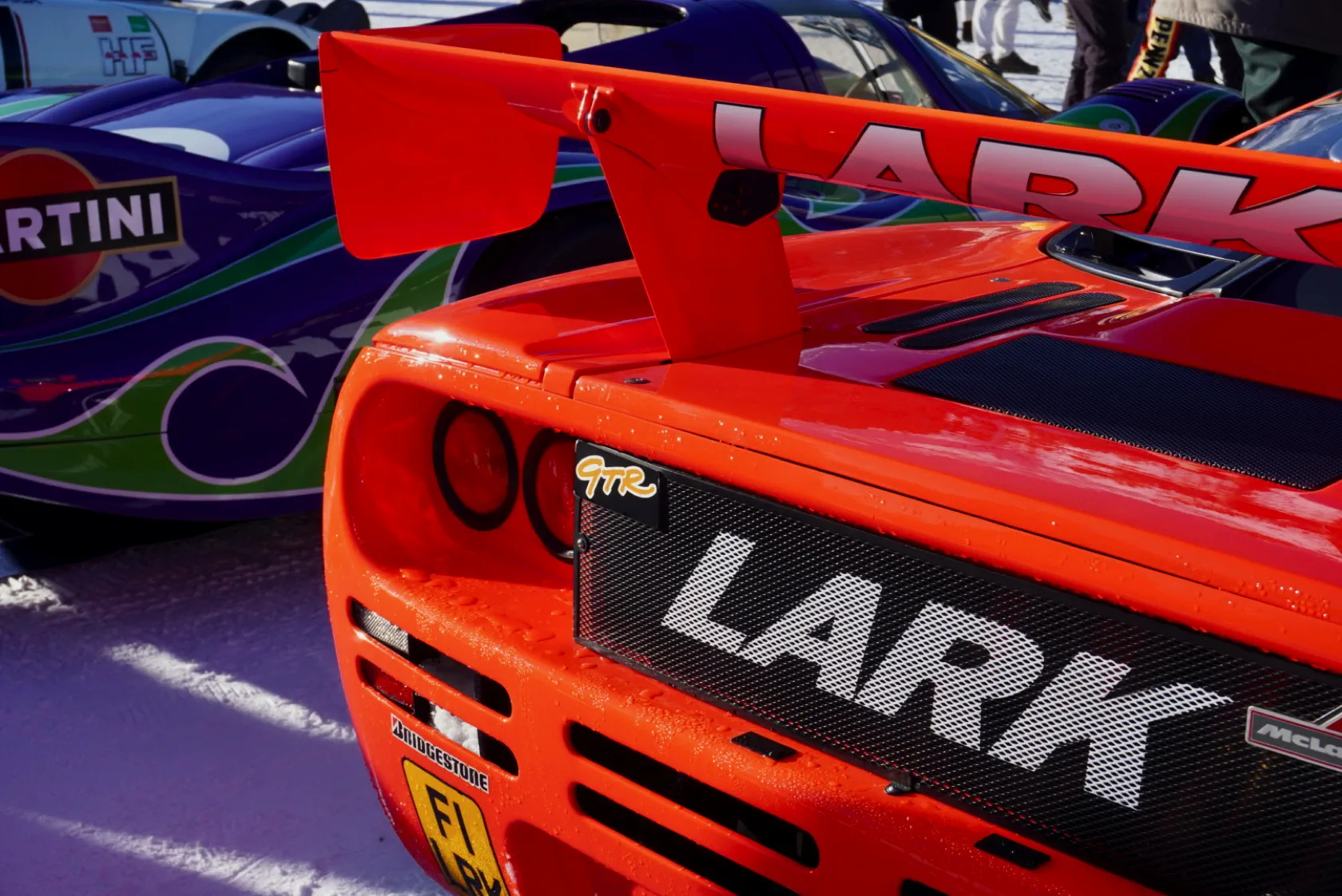
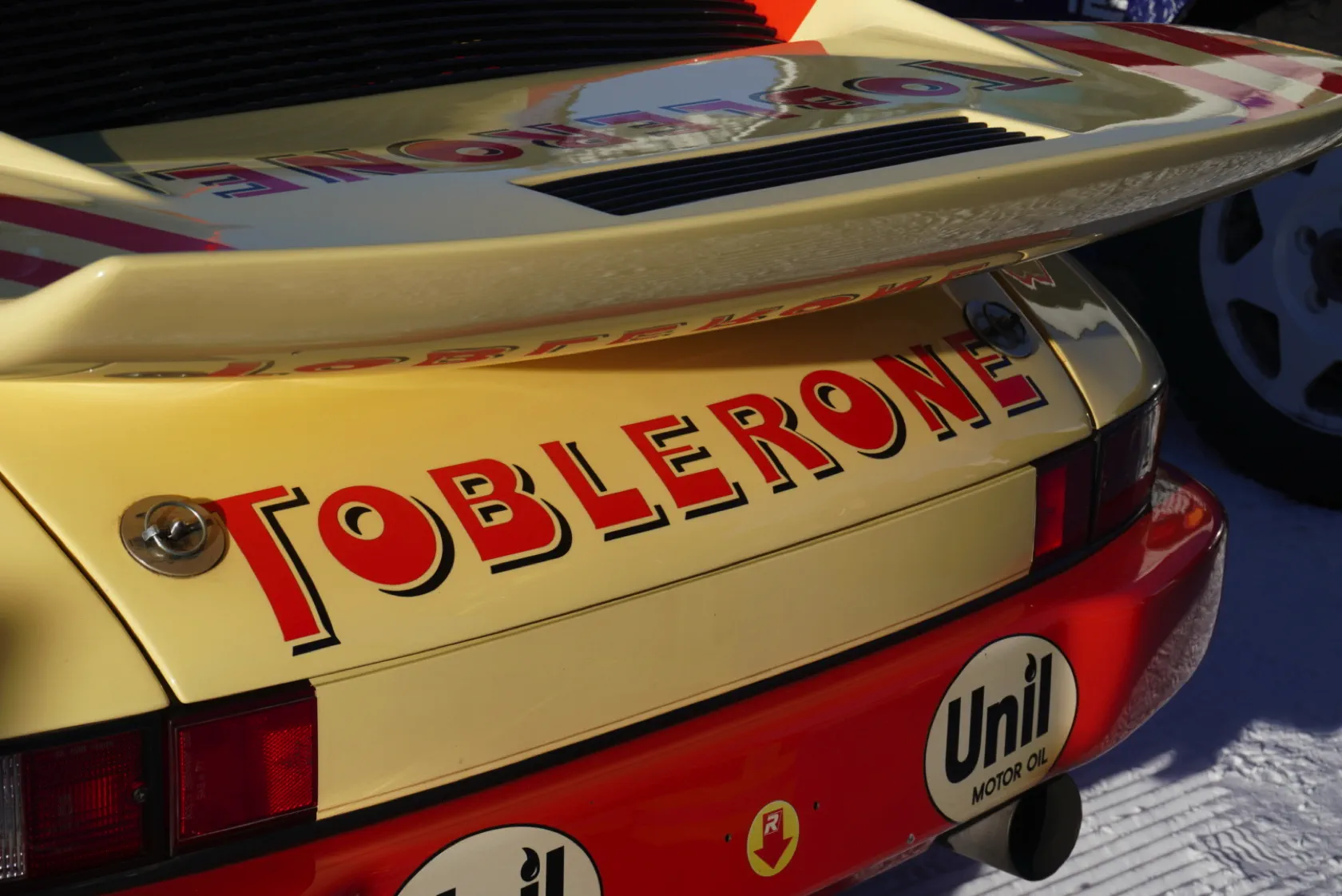
The Legendary Liveries class delivered its best moment when a Lancia Stratos Alitalia and a McLaren F1 GTR Lark in that unmistakable orange were parked next to each other on the ice. Alongside them: a Porsche 911 GT1, a Porsche 959 Rothmans in purple and white, and an Audi Sport Quattro in the full HB tobacco livery — yellow and white, Michelin sidewalls, the whole package.
IN TOWN
St. Moritz Joins In
What makes The I.C.E. different is that the whole town participates. The main street through St. Moritz becomes its own show, with cars parked outside boutiques and enough carbon fibre to build a small aircraft.
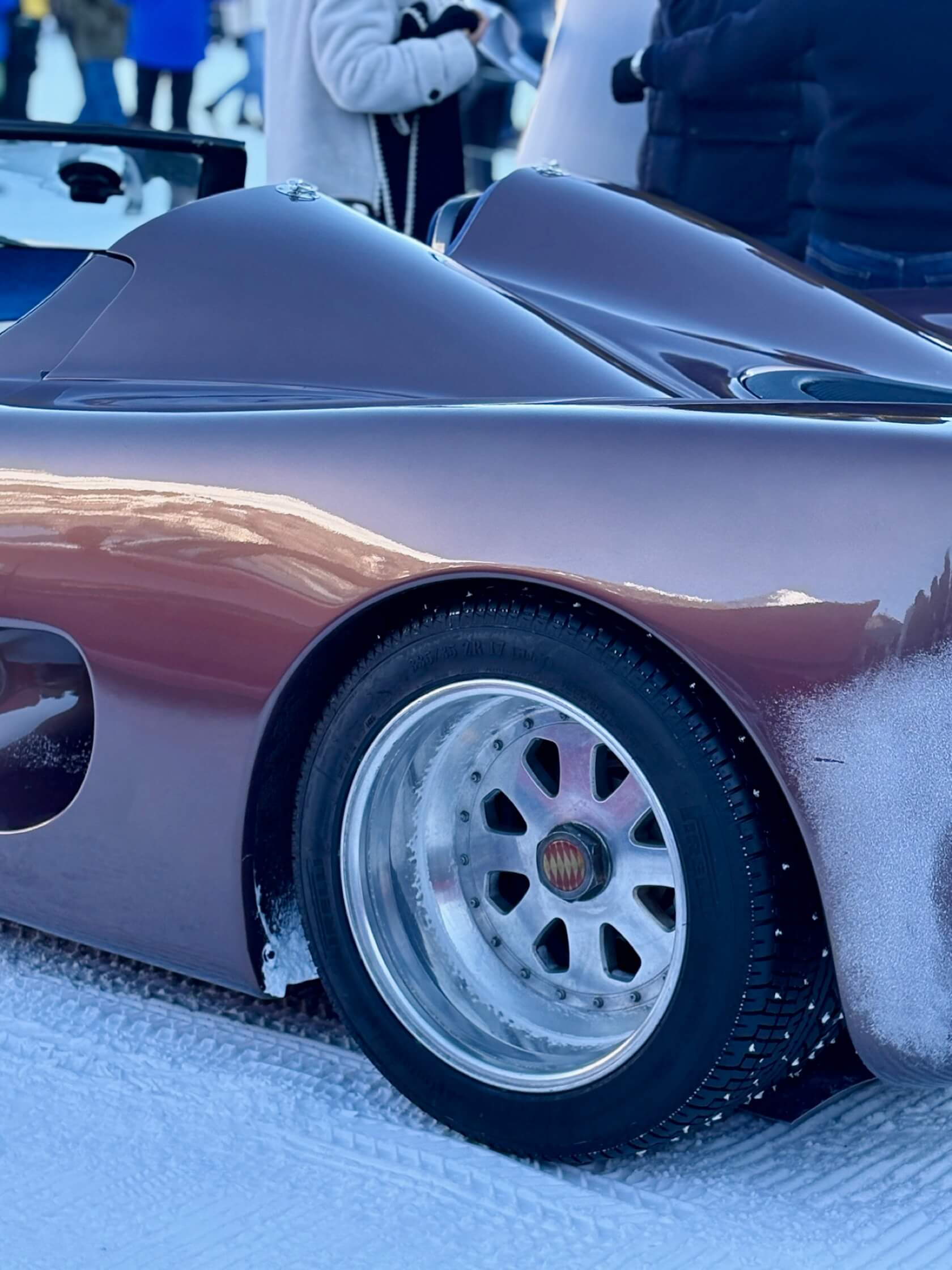
Saturday morning on the road into town: multiple Koenigsegg cars arriving and departing through the snowbanks, matte grey, on studded tyres at altitude. Watching a Koenigsegg turn past a ski school sign is an image that stays with you. The Ferrari F355 variant in white with racing stripes was parked outside a boutique, snow on the bonnet, Alps in the background.
Eccentrica had a wild open-chassis display, with tubes, suspension components, and gold wheels laid completely bare. The Pininfarina-badged cars were prominent alongside it.
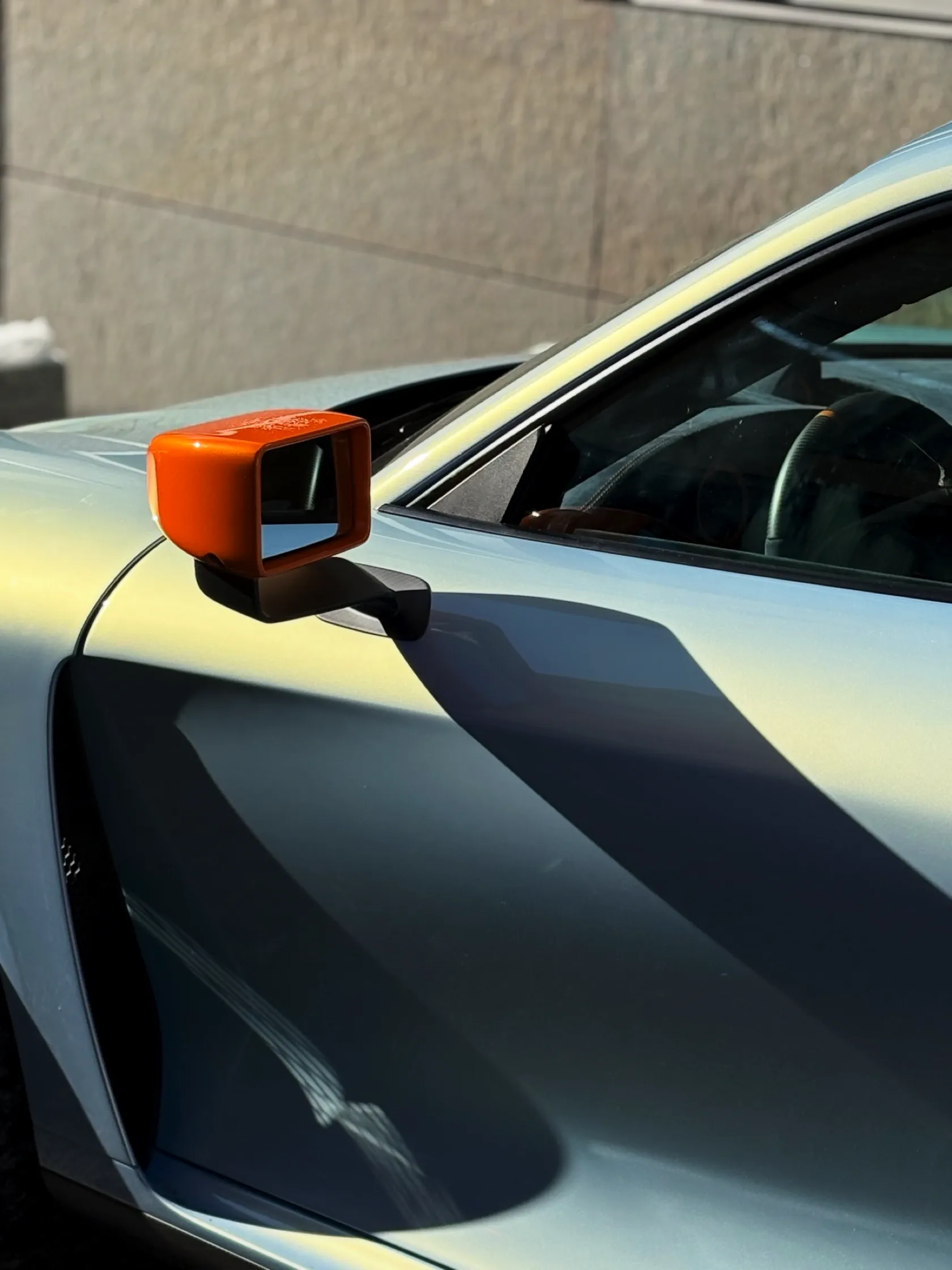
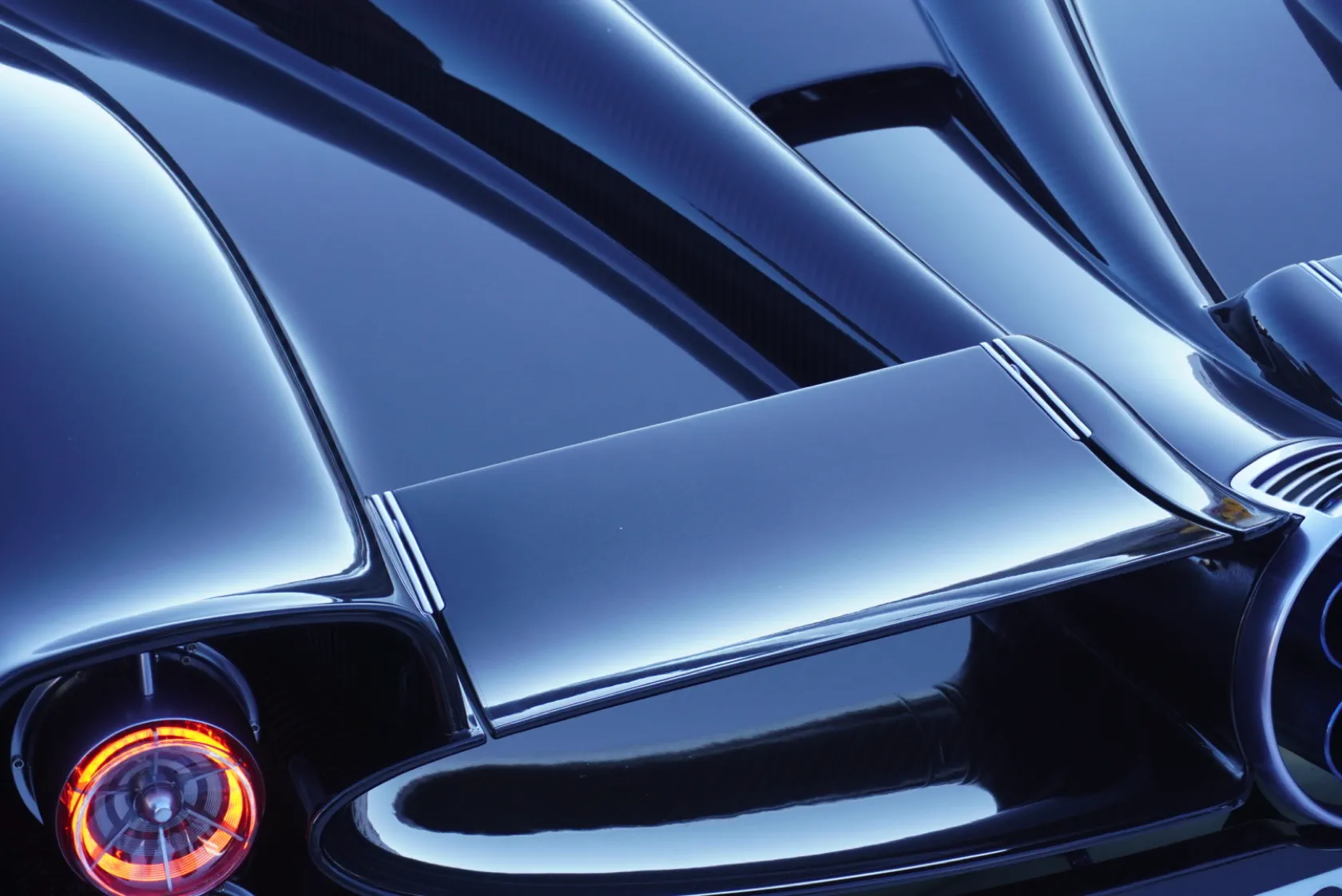
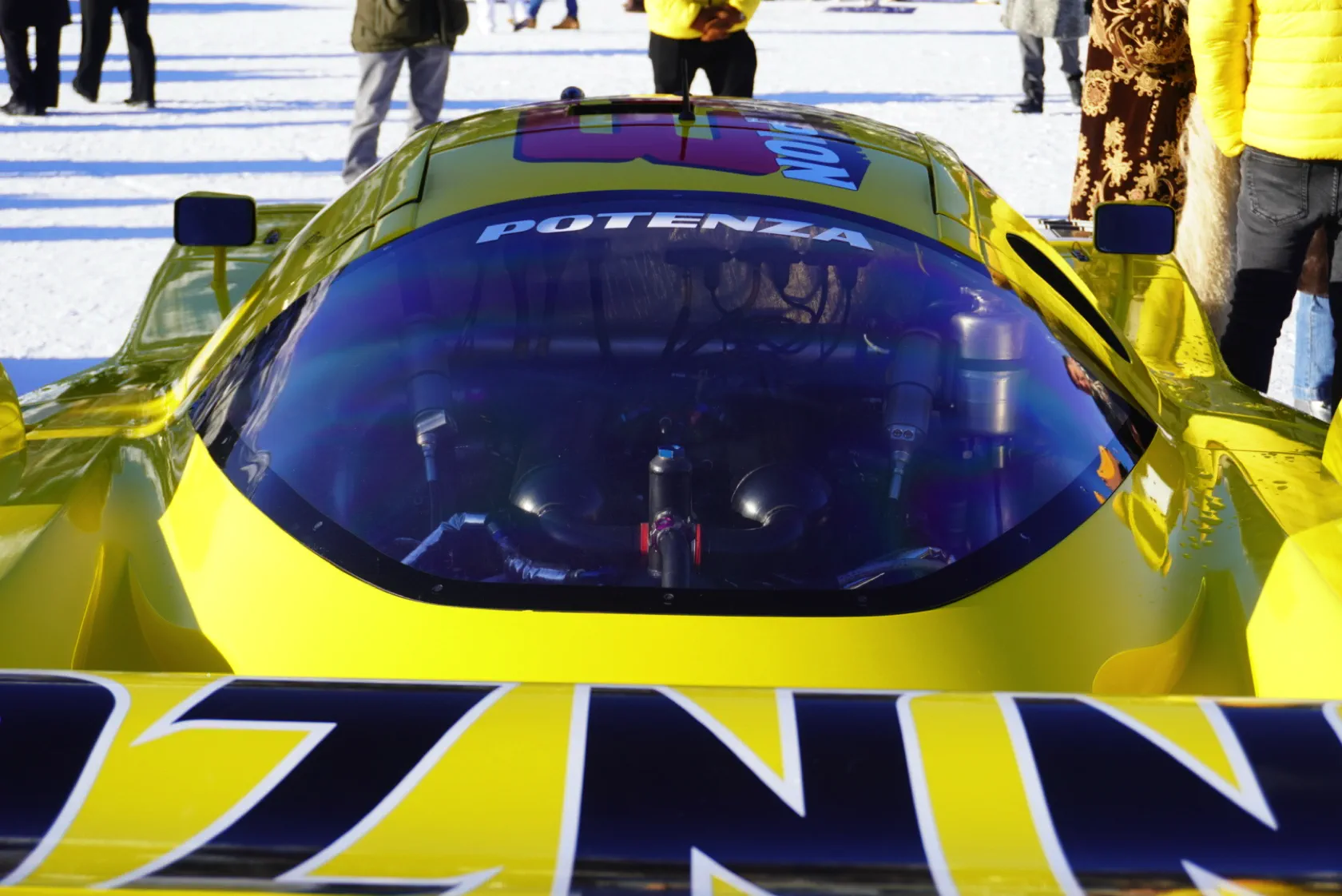
Pagani showroom: If you haven't stood next to a Huayra Asterix in person — the gold wheels, the carbon body, the engine visible through the rear — make it a priority next year. Nothing prepares you for the level of detail.
SHOULD YOU GO IN 2027?
Yes. Book Early.
Yes, and commit to the full weekend. Friday's static display is the time to get close to the cars — proper detail access, no crowds, owners standing next to their machines happy to talk. Saturday is spectacle: the cars move, the jets fly, the lake becomes a racetrack. You need both days to understand the event properly.
From Zurich, the Albula pass takes roughly two hours in winter conditions and is worth the detour — a genuinely beautiful road that sets the mood long before you arrive. St. Moritz in late January is peak season. Accommodation books out fast once the dates are announced.
Now in its sixth year, The I.C.E. operates at a level that events many decades older haven't reached. The format — cars that actually move on a surface that exists for only a few weeks a year — is too original to replicate.